
From Recipient to Juror
“First of all, every member of the jury of course has to be a highly qualified design professional. At best the international design community should know the juror and trust him or her to make an objective, neutral judgement. So, being part of the jury, is a professional appreciation”
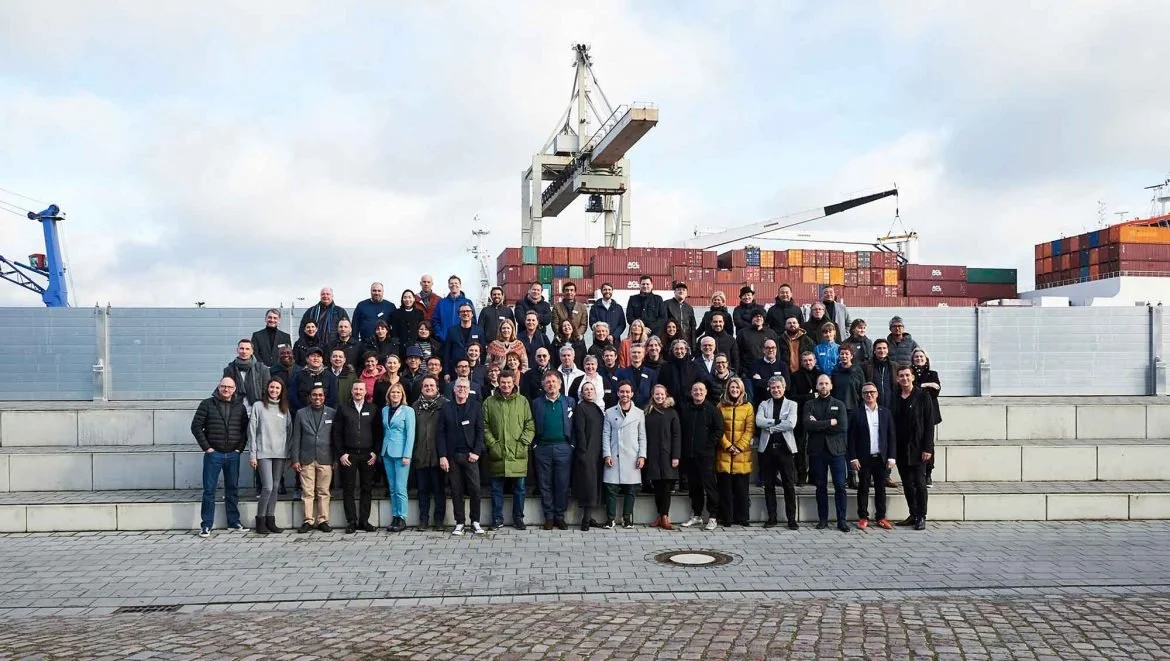
78 jurors from 20 countries selceted the best designs out of nearly 7300 entries. Watch the video and see for yourself what the jurors say, what the trends are and what they look for in good design!
In 2020 I sat on the iF Design Award jury for the first time.
It mattered to me for many reasons, but one of them I only understood once I was there. Until then I had known the iF Design Award from the perspective of a participant and a laureate. I knew the feeling of receiving the award, and I understood the weight of iF Gold — the highest distinction within the competition, reserved for a very small group of the best projects in any given edition. But it was only as a juror that I saw how that decision is actually made.
iF Gold is not a separate category you can enter. First, a product has to win an iF Design Award. Only then, from among the awarded projects, does the jury select those worthy of gold. It is a second level of selection that a project can only reach through a decision made by the jurors themselves. You cannot plan for that path. You can only create something strong enough that someone at the jury table decides it is worth fighting for.
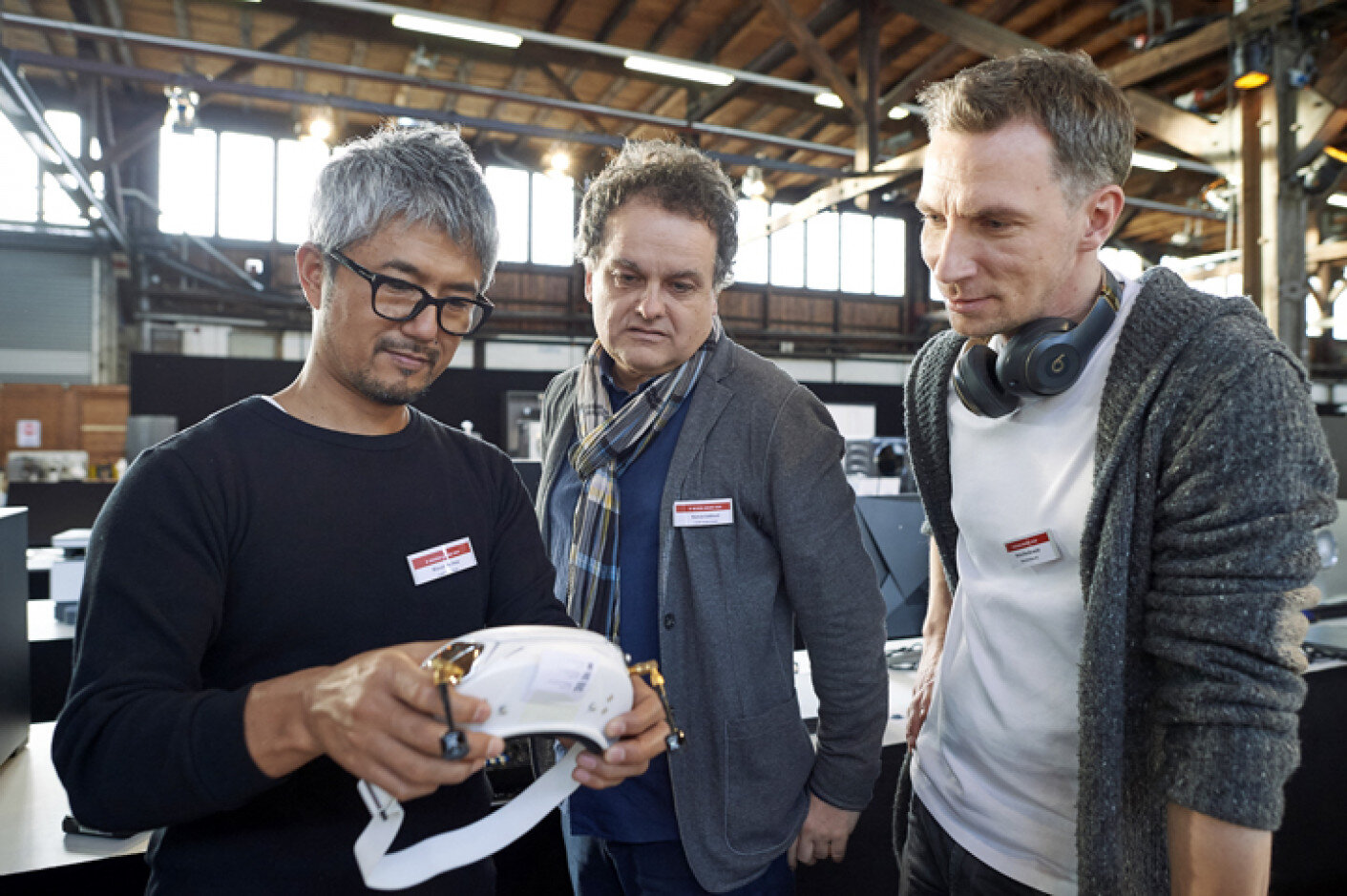
Because quality alone is not enough. For a product to receive iF Gold, someone has to present it, argue for its value and defend it in front of the rest of the jury. It is not an automatic vote or a quick thumbs up or down. One juror takes on the responsibility of making the case, explains why this particular project deserves the highest recognition, and then waits for the room to respond. Any objection can stop the decision, because full consensus is required. When I found myself on that side of the process for the first time, defending my choice in front of a jury of designers from around the world, I thought about something I had not understood before. In 2014, someone did exactly that for me.
Someone had to stand up and say that DICE+ deserved gold. Someone had to see in that project something beyond a well-designed product. They had to believe there was something in it worth lifting above the level of the award itself and defending in front of the entire room. I do not know who that person was. I will never find out. But I know that without them, that award might never have happened. Thank you good man.
That experience changed how I see my own recognition. iF Gold stopped being just an award I once received. It became also the trace of someone's decision, their courage and their trust. One voice that at the right moment said: this project is worth it.
I hope I made good use of what they gave me that day.
— Boni
Od laureata do jurora
“Przede wszystkim każdy członek jury musi oczywiście być wysoko wykwalifikowanym profesjonalistą w dziedzinie designu. W najlepszym przypadku międzynarodowe środowisko projektowe powinno znać jurora i ufać, że potrafi on dokonać obiektywnej, neutralnej oceny. Dlatego udział w jury jest formą zawodowego uznania.”
78 jurorów z 20 krajów wybrało najlepsze projekty spośród niemal 7300 zgłoszeń. Obejrzyj film i przekonaj się, co mówią jurorzy, jakie trendy dostrzegają i czego szukają w dobrym designie.
W 2020 roku po raz pierwszy zasiadłem w jury iF Design Award.
To było dla mnie ważne z wielu powodów, ale jeden z nich zrozumiałem dopiero na miejscu. Wcześniej znałem iF Design Award z perspektywy uczestnika i laureata. Wiedziałem, czym jest radość z otrzymania nagrody, znałem też wagę iF Gold — najwyższego wyróżnienia przyznawanego w ramach konkursu, zarezerwowanego dla bardzo niewielkiej grupy najlepszych projektów w danej edycji. Dopiero jako juror zobaczyłem jednak, jak naprawdę powstaje ta decyzja.
iF Gold nie jest osobną kategorią, do której można się zgłosić. Najpierw produkt musi zdobyć iF Design Award, a dopiero później, spośród nagrodzonych projektów, jury wybiera te, które zasługują na złoto. To drugi poziom selekcji, do którego projekt może zostać wyniesiony tylko przez decyzję jurorów. Nie można sobie tej ścieżki zaplanować. Można jedynie stworzyć coś na tyle mocnego, żeby ktoś przy stole jurorskim uznał, że warto o to zawalczyć. Bo sama jakość projektu nie wystarcza. Żeby produkt otrzymał iF Gold, ktoś musi go przedstawić, uzasadnić jego wartość i obronić przed pozostałymi jurorami. To nie jest automatyczne głosowanie ani szybkie „podoba się / nie podoba się”. Jeden juror bierze odpowiedzialność za rekomendację, tłumaczy, dlaczego właśnie ten projekt powinien dostać najwyższe wyróżnienie, a potem czeka na reakcję sali. Każdy sprzeciw może zatrzymać decyzję, bo potrzebny jest pełny konsensus.
Kiedy po raz pierwszy znalazłem się po tej stronie procesu i broniłem swojego wyboru przed jury złożonym z projektantów z całego świata, pomyślałem o czymś, czego wcześniej nie rozumiałem. W 2014 roku ktoś zrobił dokładnie to samo, pośrednio dla mnie. Musiał wtedy uznać, że warto wstać i powiedzieć, że DICE+ zasługuje na złoto. Musiał zobaczyć w tym projekcie więcej niż dobrze zaprojektowany produkt. Musiał uznać, że jest w nim coś, co warto wynieść ponad poziom samej nagrody i obronić przed całą salą. Nie wiem, kim była ta osoba i nigdy się tego nie dowiem, ale wiem, jak wiele mu zawdzięczam i bardzo za to dziękuję.
To doświadczenie zmieniło moje spojrzenie na własne wyróżnienie. iF Gold przestał być dla mnie tylko nagrodą, którą kiedyś otrzymałem. Stał się także śladem czyjejś decyzji, odwagi i zaufania. Jednego głosu, który w odpowiednim momencie powiedział: ten projekt jest tego wart.
Mam nadzieję, że dobrze wykorzystałem to, co wtedy dostałem.
— Boni
✍️ About the author: Michal Bonikowski is an award-winning industrial designer, IF Design Award, ADC and DesignEuropa juror, and founder of Bonikowski Design and Strategy. He has been shaping products and innovation for over 25 years.